Empathy Machines vs War Machines
Hey friends. A short entry this time around, I wanted to share my thoughts about this grim news of war with Iran without getting too precious (two days late, I might have already failed in that). I'm under no delusion that anything I say is going to change the world, but if I can get even one person to understand the harm this campaign will inflict on the people it purports to help, it will have been worth doing.
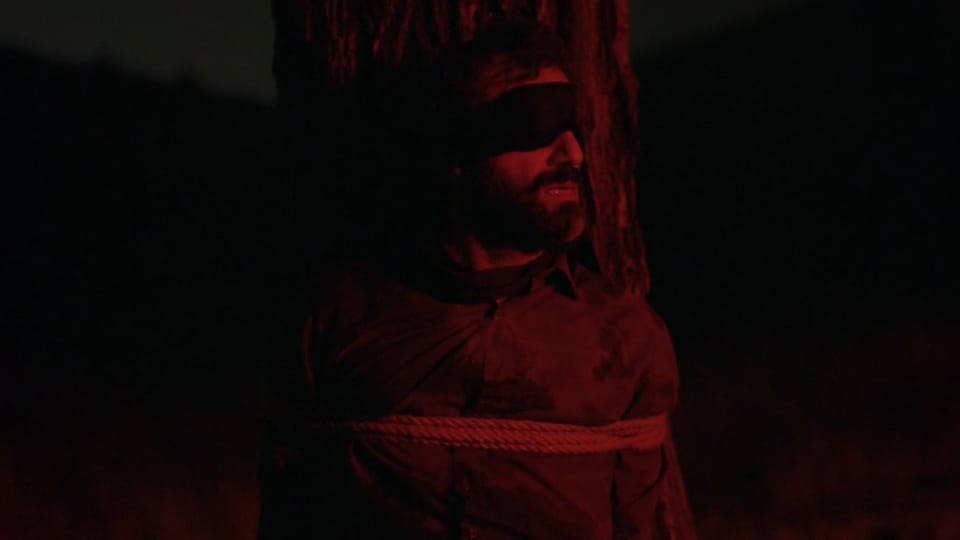
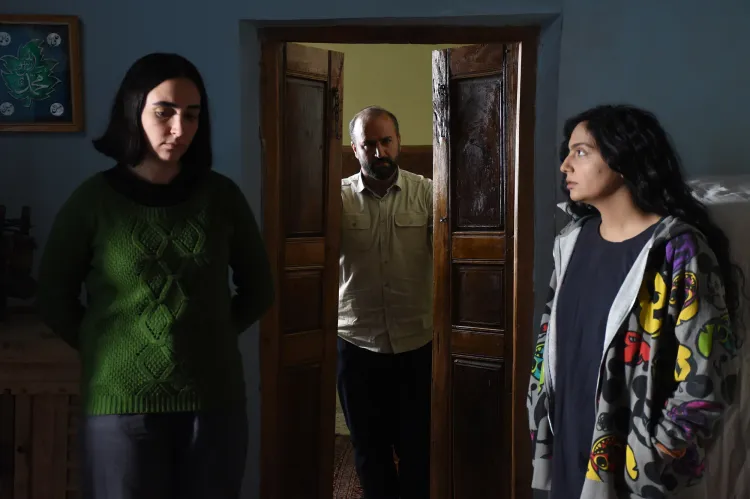
When I read the news Saturday morning that the U.S. and Israel had commenced military action against Iran with the goal of regime change, I thought of Jafar Panahi. The Iranian director of Best International Feature Oscar nominee It Was Just an Accident had recently—literally the day before—stated his intention, after the Oscars ceremony, to return to his home country, where he would likely serve a one-year prison sentence. He was tried in absentia by the Iranian government last year and found guilty of Propaganda Against the Regime, and his Accident screenwriter Mehdi Mahmoudian (also nominated, for Best Original Screenplay), is currently out on bail after serving seventeen days for signing a petition criticizing the regime.
Panahi is no stranger to state repression, and the decision to face jail time was to him hardly a question:
When you work in a country like Iran, you know that not submitting to censorship comes with a certain cost. In a way, that solves the problem. I tell myself, “It's my country. My mother's there, my sister's there. My brothers are there, my relatives are there. My colleagues are there, my fellow Iranians are there. Why should I not be there? Why should they be there and not me?"
I ask myself, “What do they want to do to me that they haven't already done?” You know, if they want to put me back in prison, I’ll go. I’ll go to prison and I'll come out with a new script.
Panahi has nothing but contempt for the regime, but with a bombing campaign commenced, Iranian airspace completely shut down, and the future an ominously open question, what is he to do? The initial strikes succeeded in assassinating Iran's Supreme Leader Ali Khamenei and, gratuitously, its former president, Mahmoud Ahmadinejad. Yet they are far from the only people to be killed. What is the status of Jafar Panahi's mother, sister, brothers, relatives? His colleagues, his fellow Iranians? What of Mehdi Mahmoudian? Of the cast and crew who worked on the movie, often in secret for their own safety? These people all believe in and deserve the right to self-determination. That right was deployed as a justification for this attack, but cynically so; rights can't be delivered as part of a bombing payload.
In so many ways the Iran campaign is just a legacy sequel to the Iraq War, but the global reach of Iran's dissident film culture puts a face to the people affected in a way that wasn't possible with the previous American war of aggression launched from the Persian Gulf. In 2003 the face of Iraq was Saddam Hussein; civilians were at best an abstraction that became specific when a jolt of "democracy, whisky, sexy" messaging was needed.
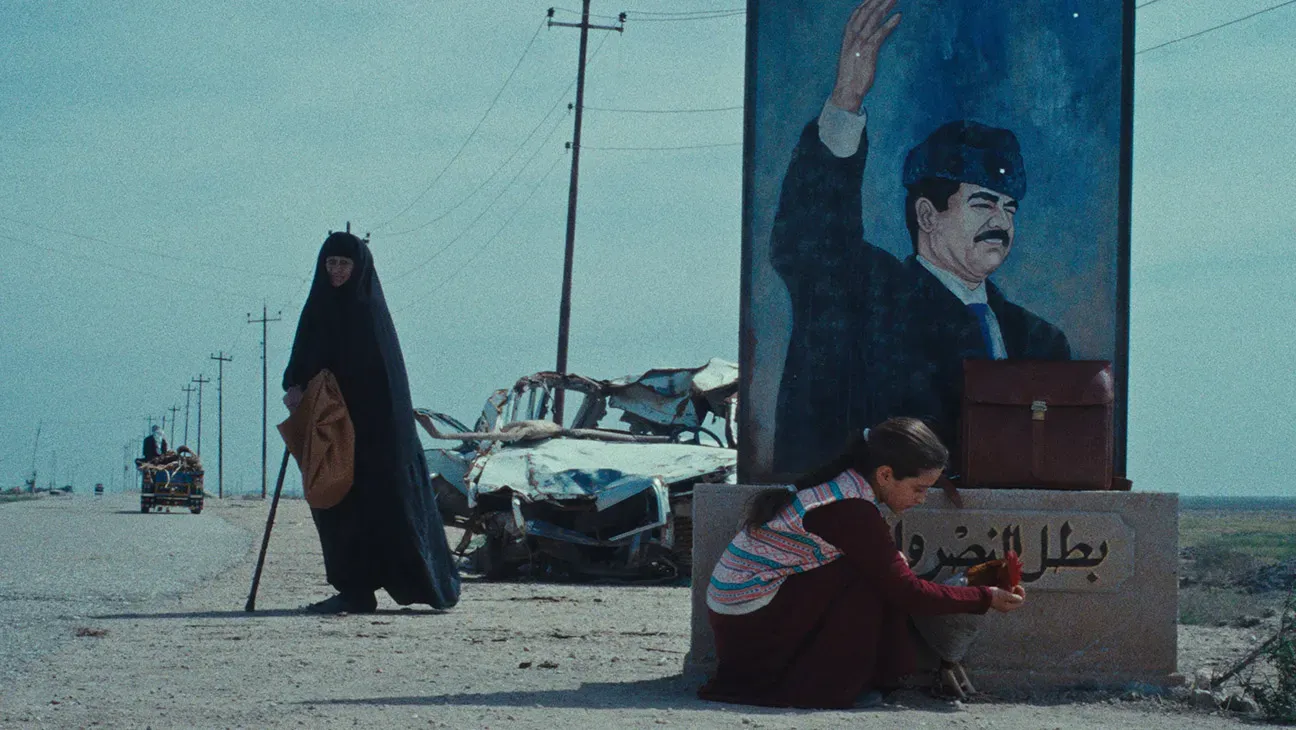
As it happens this weekend sees the wide release of The President's Cake, which last year was Iraq's first-ever submission to the Cannes Film Festival. The spectre of Saddam Hussein, who has been dead for nearly twenty years, haunts the film, which takes place in an ambiguous 1990s just before Hussein's April 28 birthday. Ever the despot, he requires that every school in the country bake him a birthday cake, despite American-led U.N. sanctions having created nationwide food shortages. Despite her best efforts to avoid being selected, nine-year-old Lamia (Baneen Ahmad Nayyef) is the unlucky draw in her school's lottery to determine who will bake the cake, and so she sets out with her pet rooster Hindi and best friend Saeed (Sajad Mohamad Qasem) on an urban odyssey to procure the necessary ingredients.
The heavy involvement of Hollywood talent and Qatari funding raises questions of to what extent it is an "Iraqi" film, a tension present in the story and its politics. Its period setting allows it to avoid any uncomfortable questions about the 2003 invasion and make Saddam Hussein's cartoonish narcissistic brutality and its downstream effects the proximate cause of Lamia's struggles. The sanctions, and the screaming overhead American jets enforcing the no-fly zone, are part of the setting rather than a target of overt criticism. There's nothing that would upset American audiences besides the decadence of Saddam's birthday party in the archival footage that ends the film.
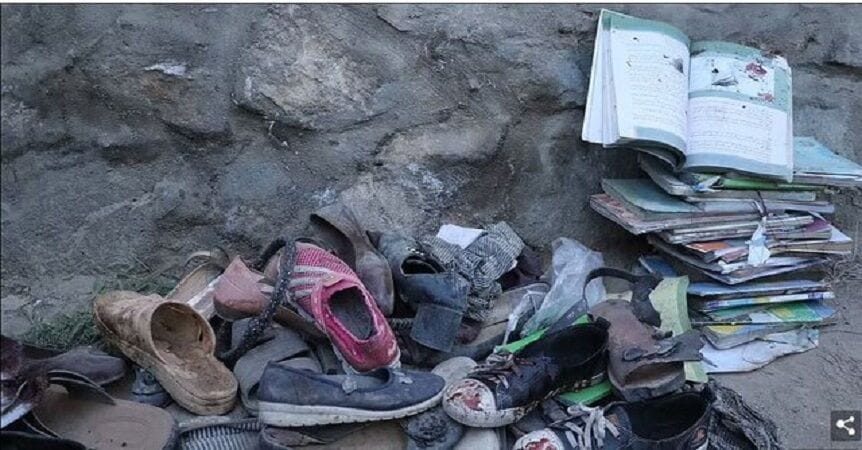
Yet just before that the last we see of Lamia, she is hiding under a desk with Saeed in terror of whether or not they are going to die. It is not Saddam Hussein they fear in that moment, but the American jets carrying out an air raid. Their fate is left undetermined. The same cannot be said for the 85 and counting children killed in a strike on a girl's school that were the first casualties in Iran.
Enjoyed the read? Subscribe for free and get the next one as soon as it's published! You can also get more of my movie thoughts, and more frequently, on my weekly podcast with Steven Santana, Mise en Screen. If you know someone who would enjoy either of them, share the link. And if you want to support Cinema Purgatorio, any tips I receive will help to offset hosting costs. Any support is appreciated.
Member discussion