It's a Wonderful Life: Social, Media
Greetings, friends. I wanted to get one last missive under the wire before the New Year arrives, so I'm taking the one review I've got ready to go and putting it out on its own. A newsletter under a thousand words, imagine that! That may well be the direction I take it, since I continue to be too busy to get the larger pieces out with any regularity. For that I continue to encourage you to check out Mise en Screen, where this week we are doing a two-fer: a catch-up on the movies of 2025, and a review of Marty Supreme. And now, onward!
It's a Wonderful Life
dir. Frank Capra, 1946
Watched at The Grandin
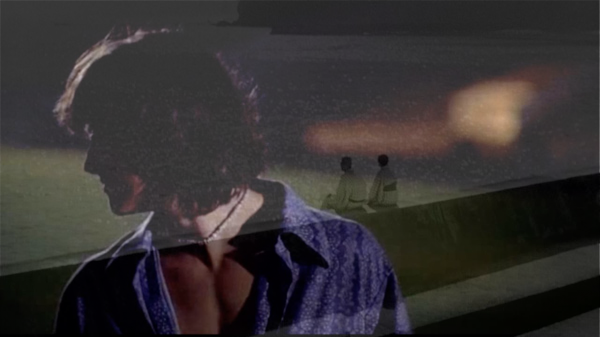
My mother knew I'm not apt to go to a church service anytime soon, so for the holidays she asked me to do the next best thing: go see It's a Wonderful Life on the big screen. As far as Christmas traditions go, it's not an idle comparison. A flop on release, it went on to have a wonderful afterlife some thirty years later thanks to a lapsed copyright that dropped it into the public domain. Television stations were able to air it for free, bringing it into millions of homes year after year and becoming a staple of the season.
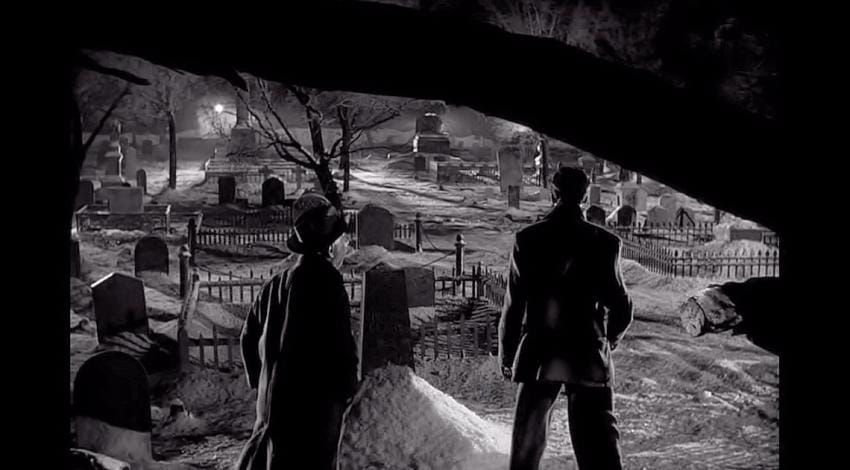
It largely earns those laurels, though not for the expected reasons. The most famous part, George Bailey seeing what his community would have been like if he had never been born, is by my reckoning the weakest. It comes quite late and quickly becomes repetitive, variations on 'this person doesn't recognize me and is worse off!' Which is the whole point, of course, but George has to go through this over and over and over again before it actually sets in. The most affecting scene in this sequence is when he finds his brother's grave in the cemetary he never developed, and learns not only Harry but all of his squadmates also died in his absence. Yet dramatic necessity means that for George, the most horrible outcome is that without him his wife became a spinster. Not the most effective sequence by my reckoning, but memorable all the same.
The reason for that is of course because of the groundwork laid by the rest of the film, the 'Life' referenced in its title. The first three decades of George's life, and the pivotal moments where he ensured the community's future by giving up his own, are traversed with deceptive economy. It's a feat of writing, editing (lots of jump cuts streamlining transitional movement into constant forward motion), and the old presentational Hollywood acting style.
It's also got a refreshingly clear-eyed class politics, the miserly mogul Henry Potter using his ability to weather financial storms to consolidate his power over those who can't and tackily naming shit after himself when given the opportunity. It's a dynamic that's become more salient since the bursting of the housing bubble in 2008, and especially since the opinions of slumlords became a matter of national concern in 2016. The messaging is given an unfortunate reactionary tinge by, again, the Pottersville sequence. Conspicuously urbanized and with a frankly better nightlife, it's supposed to be a shorthand for atomization and alienation from your community, but instead carries a whiff of lazy parochialism.
The movie is able to overcome this by the sheer ecstasy of its ending. George sees the value in his own life, and the people of Bedford Falls collectively cover the $8000 shortfall that was going to ruin it for good. The miraculous character of this outcome is both undercut and bolstered by the clear-eyed darkness that came before. The value of George's thwarted ambitions, a separate question from the value of his ever having been born, remains an open question, especially given his brother Harry's worldly accomplishments. But the value of what George does have resonates all the same in Jimmy Stewart's near-delirium in simply experiencing life, a very real feeling for those who have come close to ending it. Even the rural Christian coding isn't enough to diminish the movie's message, literally spelled out:
No man is a failure who has friends.
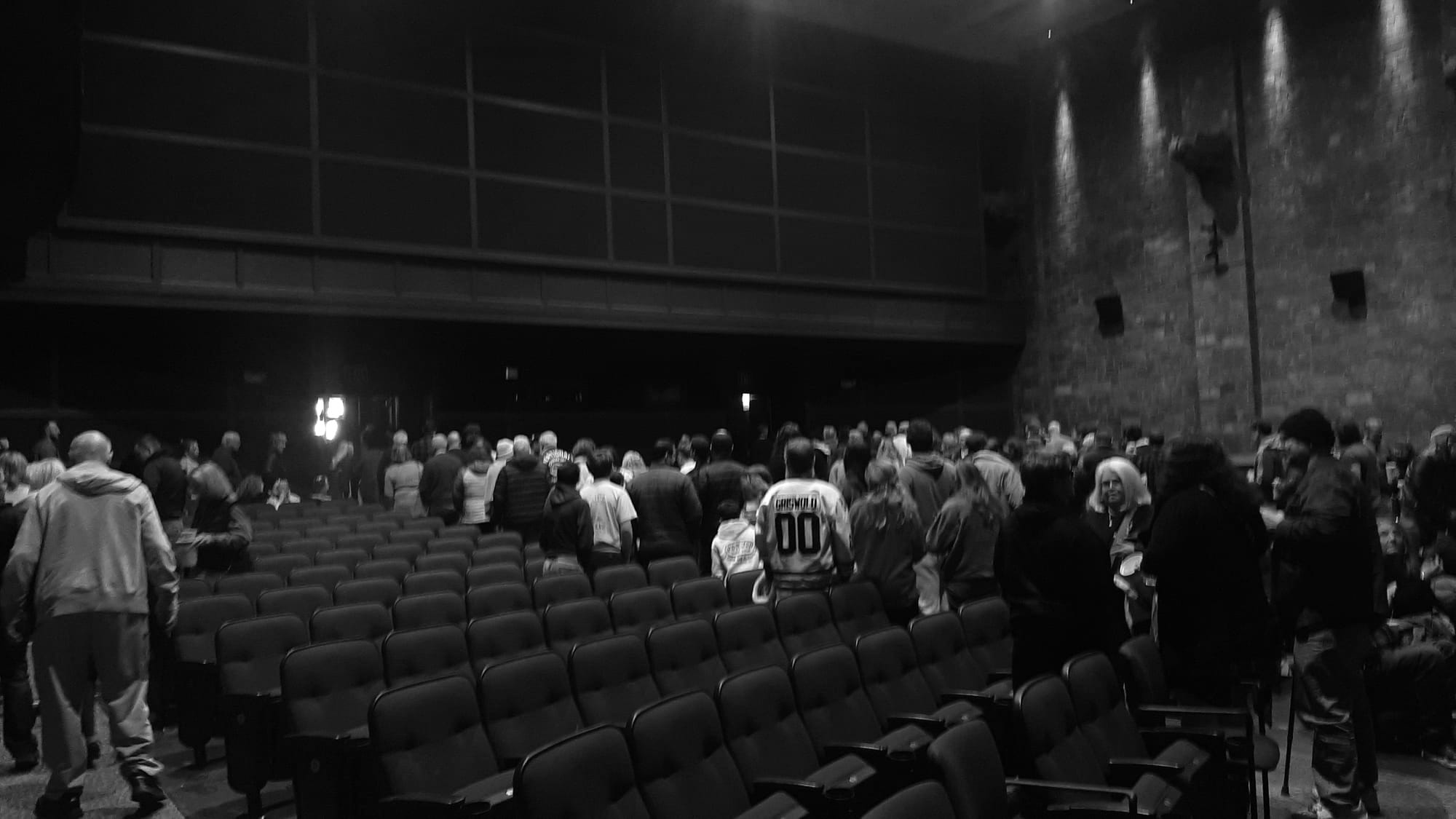
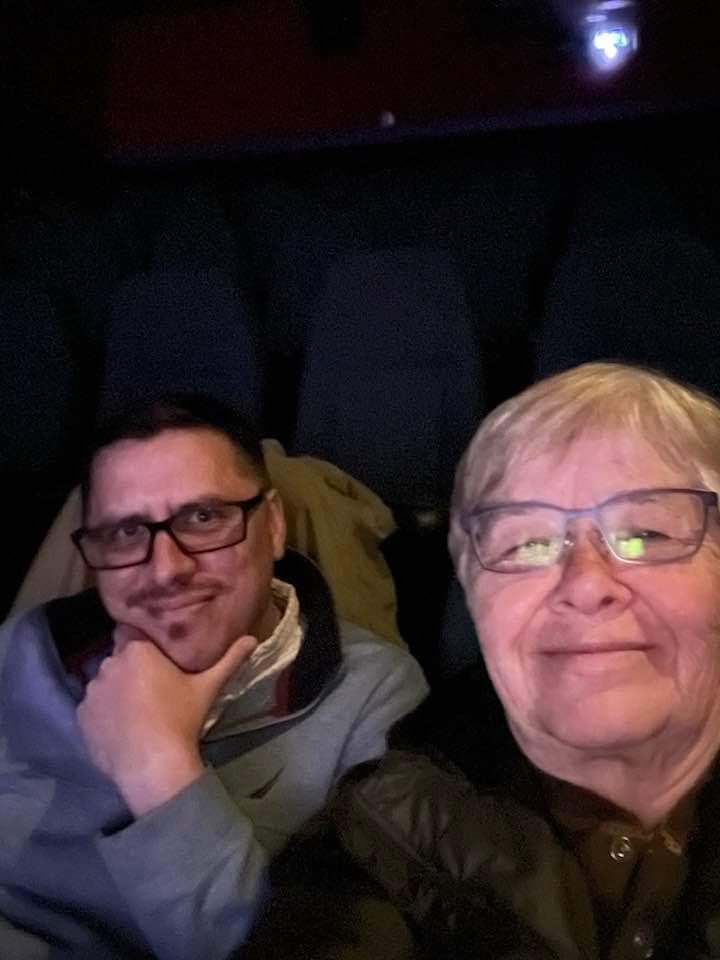
It's a Wonderful Life still manages to move, and serves as a rebuke to all the Potters of the world, who will die unloved then and now. And it felt all the more resonant seen on the Grandin's main screen in a packed house, at a time when theaters are struggling. The modern internet and its individually tailored algorithms have led to more acute atomization than Frank Capra could have imagined, and pose a dire threat to his Hollywood descendents besides. The revival of communal moviegoing experience, for a movie about communal living? That's the real Christmas miracle.
See you next year, everybody. Keep your friends close, and enjoy the freshest fruits of the public domain.
Enjoyed the read? Subscribe for free and get the next one as soon as it's published! If you know someone who would enjoy it, share the link. And if you want to support Cinema Purgatorio, any tips I receive will help to offset hosting costs. Any support is appreciated.
Member discussion